
Research
From astronomical observation to Islamic legal reasoning
My research explores the intersection of Islamic astronomy, observational science, and Islamic law. It focuses particularly on crescent visibility, twilight, sky brightness, astronomical photometry, digital image processing, Hijri calendar systems, and the integration of scientific evidence with Islamic legal reasoning.
A central objective of this research program is to develop evidence-based approaches to astronomy for Islamic religious practices, linking observation, quantitative analysis, and legal interpretation in the study of the hilal, prayer times, qibla direction, and the Hijri calendar.
Four Research Themes
My research is organized around four interconnected themes covering observational astronomy, quantitative measurement, Hijri calendar studies, and digital image processing.
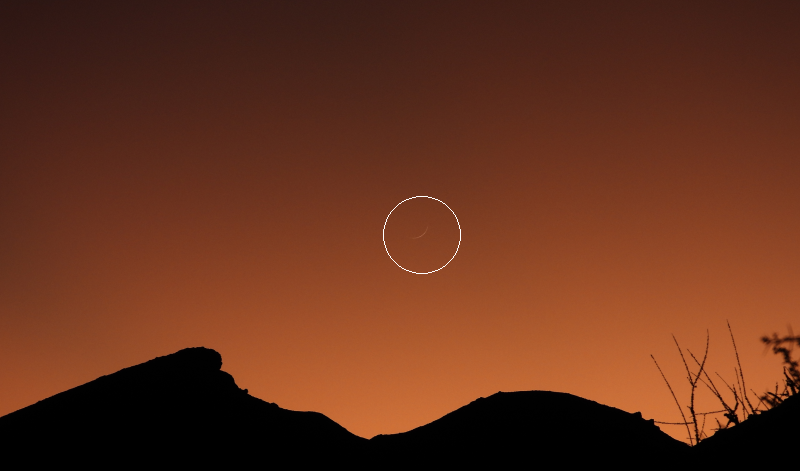
Crescent Visibility and Twilight
Investigating the visibility of the young crescent Moon during twilight, with particular attention to sky brightness, solar depression, atmospheric conditions, lunar geometry, and the changing contrast between the crescent and its background.
Hilal Twilight Sky Brightness Visibility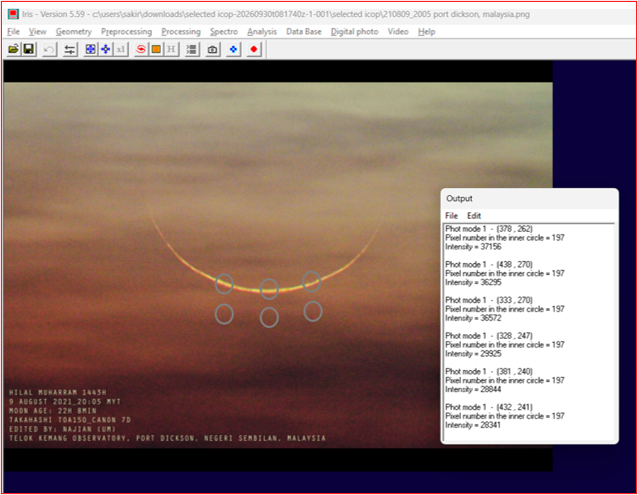
Astronomical Photometry and Quantitative Measurement
Quantifying crescent intensity, twilight-background brightness, and their relative contrast through aperture-based photometric measurement. This approach provides numerical evidence for evaluating crescent detectability under changing sky conditions.
Photometry Intensity Contrast Quantitative Analysis
Hijri Calendar and Hisab–Rukyat Integration
Examining the astronomical and juridical foundations of Hijri calendar construction, including lunar-cycle parameters, crescent visibility criteria, hisab calculations, rukyat observations, and their integration within contemporary Islamic legal reasoning.
Hijri Calendar Hisab Rukyat MABIMS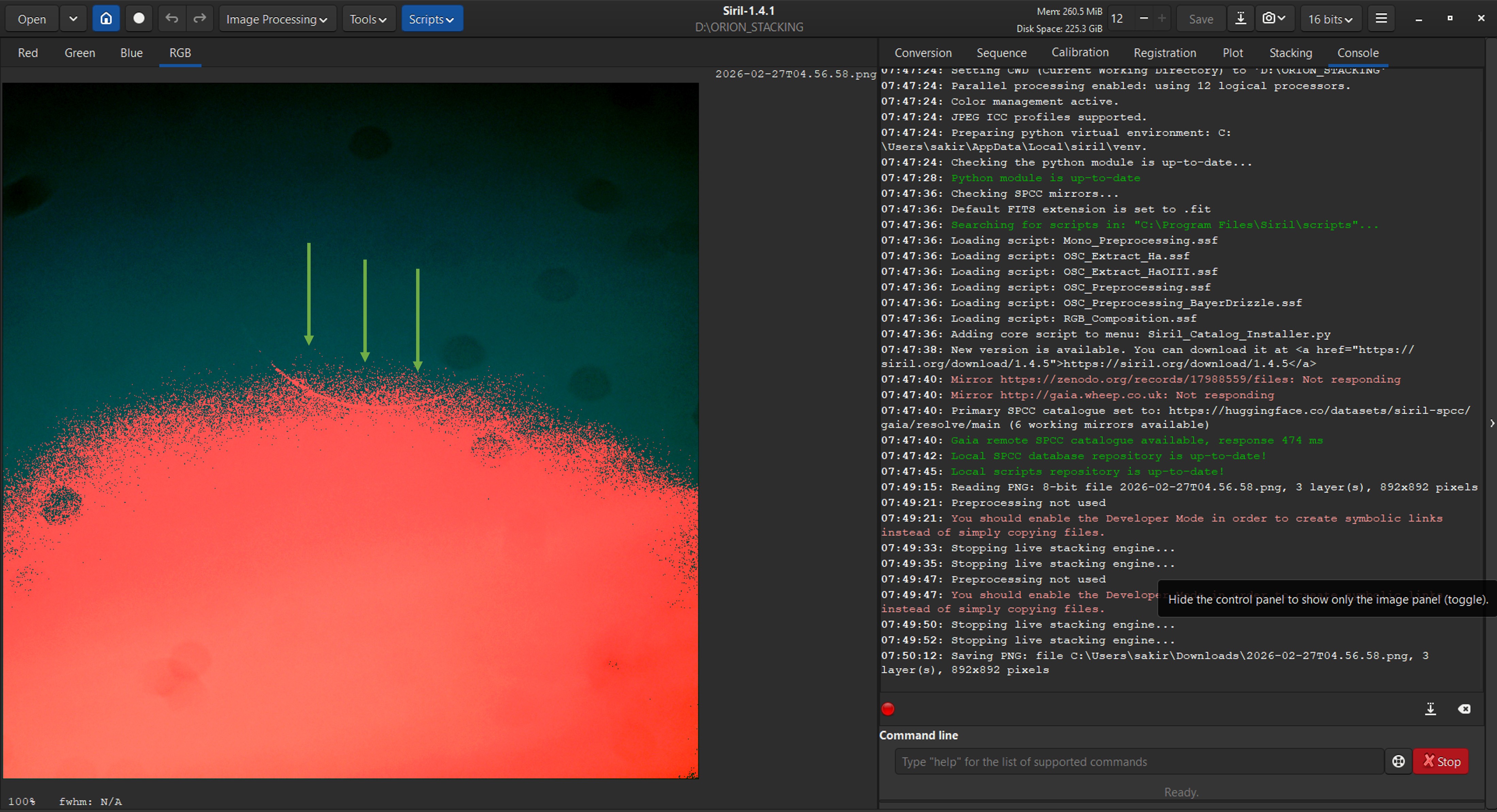
Digital Image Processing and Crescent Detection
Exploring computational techniques to enhance, identify, and analyze faint crescent signals embedded in strong twilight illumination. Digital processing supports more objective crescent detection and strengthens the reliability of subsequent quantitative analysis.
Image Processing Crescent Detection Digital Astronomy Ilmu FalakThe “Observation to Evidence” Research Loop
Astronomical observation begins with the detection of the young crescent Moon under specific geometric, atmospheric, and twilight conditions. The observational record is then transformed into digital evidence through image acquisition and preprocessing.
The processed data are subjected to aperture photometry and quantitative contrast analysis to measure crescent intensity, twilight-background intensity, and their relative detectability.
These measurements are interpreted through astronomical models and subsequently examined within hisab–rukyat, maqāṣid al-sharī‘ah, and contemporary Islamic legal reasoning. The resulting conclusions generate new observational questions, returning the process to the next cycle.
to Evidence
Software for Image Processing and Photometric Analysis
Digital image processing and quantitative photometric analysis are supported by astronomical software used at different stages of the methodological workflow. Siril supports image preprocessing, while IRIS is used for aperture-based quantitative measurement.
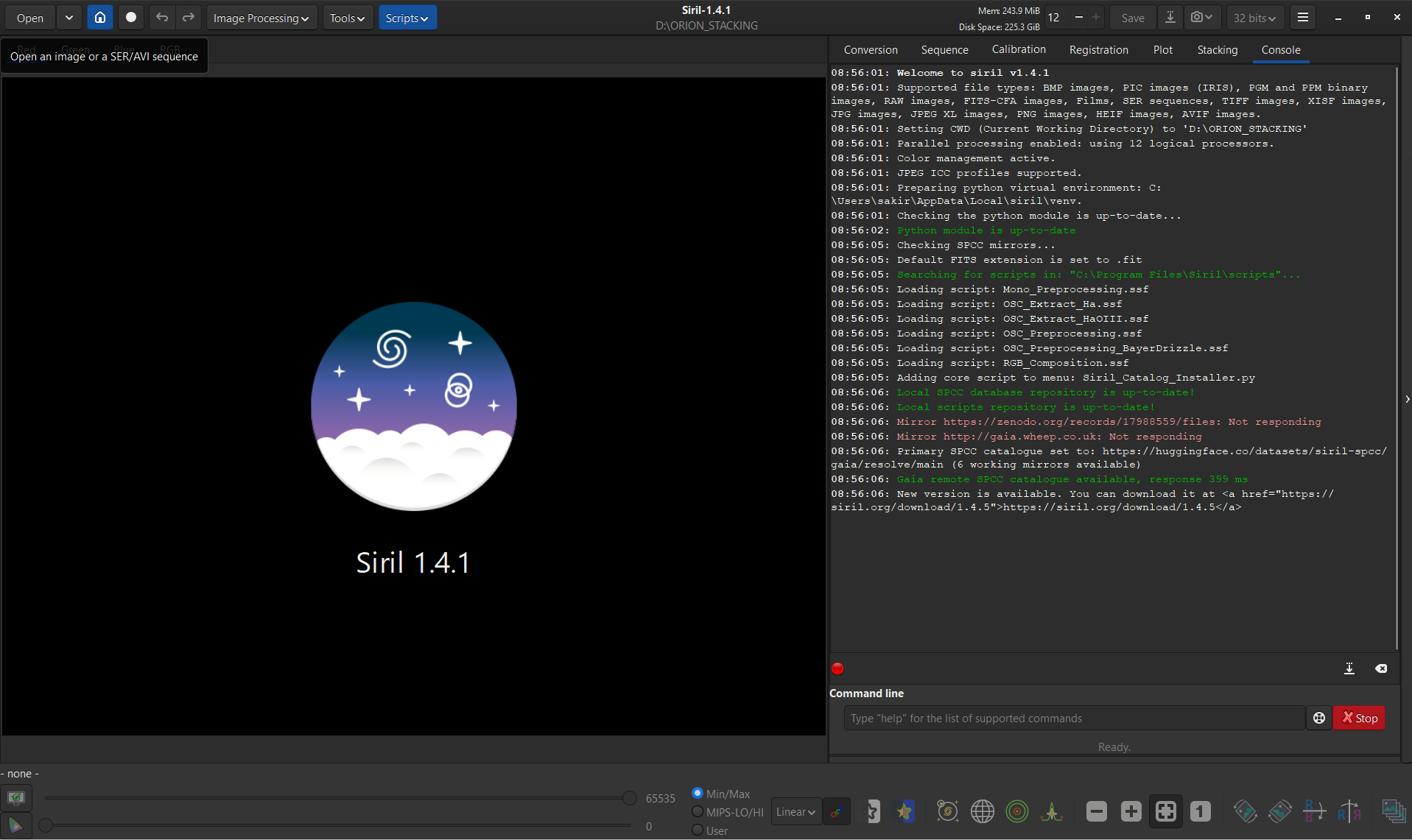
Siril-Based Astronomical Image Processing
Siril is used for astronomical image preprocessing, including calibration, enhancement, alignment, noise reduction, and contrast adjustment.
Visit Siril Official Website →
IRIS-Based Crescent Photometry
IRIS is used for aperture-based photometric analysis of the crescent and adjacent twilight sky.
Visit IRIS Software Page →Tropical Twilight, Sky Brightness, and Crescent Visibility
My current research focuses on the relationship between tropical twilight conditions, sky brightness, atmospheric conditions, and low-altitude crescent visibility.
The research integrates observational astronomy, digital image processing, aperture photometry, contrast analysis, astronomical modeling, and Islamic legal interpretation.
Research Questions Ahead
Several questions guide the next phase of my research.
Long-Term Research Trajectory
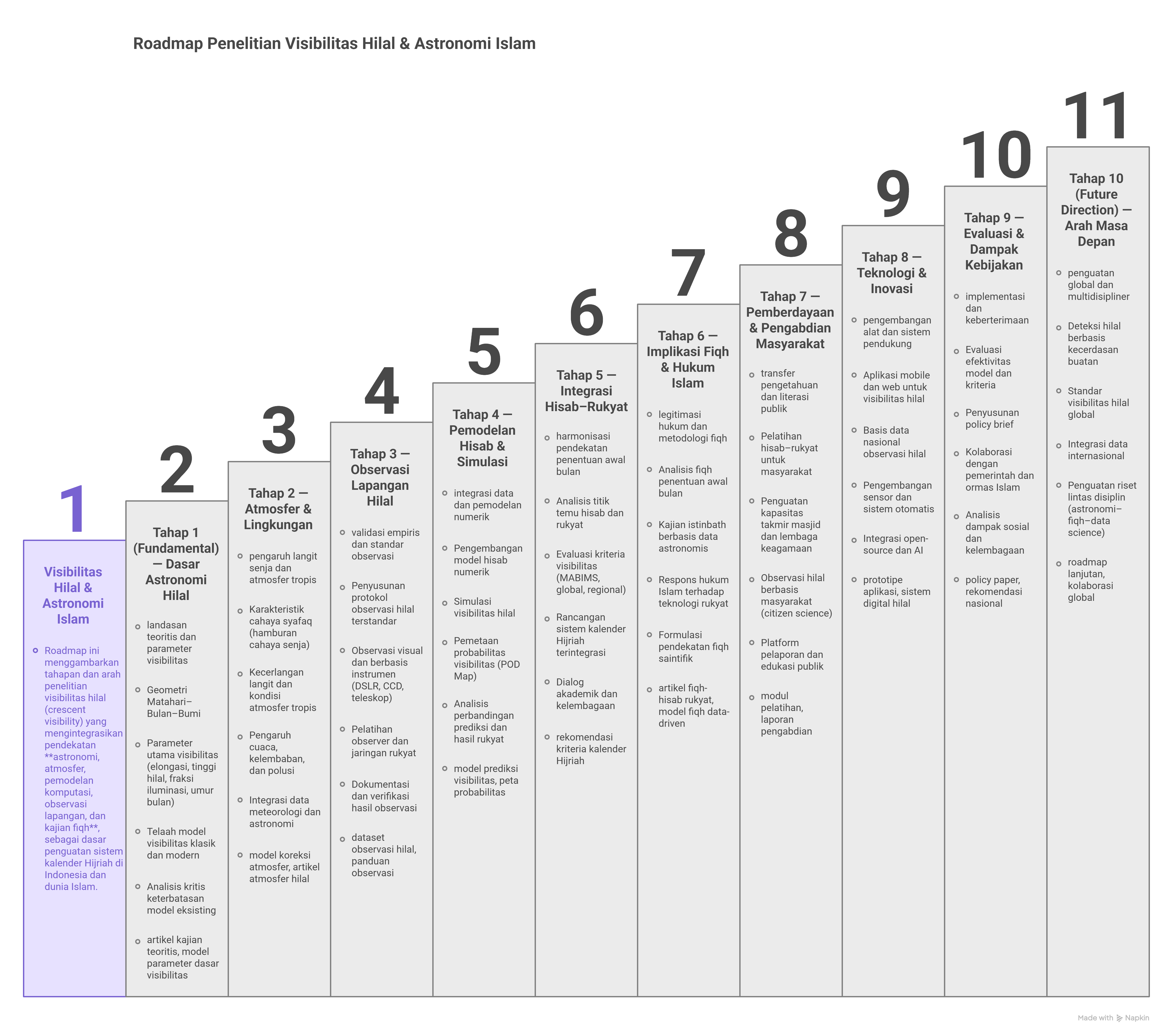
The following roadmap presents the long-term trajectory of my research, linking crescent observation, astronomical measurement, digital imaging, photometric analysis, visibility criteria, Hijri calendar studies, and the integration of astronomical evidence with Islamic legal reasoning.
Current and Recent Research Projects
Crescent Visibility and Twilight Observation at Timau
Observational study of twilight brightness and crescent visibility using sky-brightness measurements, digital imaging, and photometric analysis under dark-sky observational conditions.
Lunar Photometry and Digital Imaging
Application of aperture photometry and digital image analysis to compare crescent intensity, twilight-background intensity, and quantitative contrast during early lunar visibility.
Hijri Calendar and Hisab–Rukyat Integration
Investigation of astronomical visibility criteria, observational evidence, Islamic legal reasoning, and institutional approaches to the development of Hijri calendar systems.
QGIS-Based Visualization of Prayer Times
Integration of geographical coordinates and astronomical parameters to visualize spatial variations in prayer times and their relationship with geographical position.
Publications and Scholarly Work
Research outputs are published across the fields of Islamic astronomy, crescent visibility, observational astronomy, digital image analysis, Hijri calendar studies, Islamic law, and related interdisciplinary areas.